Cramping, infection, zero energy—I knew I needed rest. I took the day off but still worked for about 30 minutes before I had to stop and actively remind myself: I’m sick. I’m allowed to rest.
Why do we do this? Why is it so hard to step back—even when our bodies practically yell at us to slow down?
Let’s talk about it because it’s not just willpower. It’s deeper.
We are Conditioned to Equate Rest with Failure
Many of us learned to celebrate pushing through from a young age: gold stars for perfect attendance, praise for staying late, and pride in multitasking.
That’s not just cultural—it’s psychological conditioning.
This mindset doesn’t magically shut off when we’re sick. It often flares up more intensely. The urge to “prove ourselves” creeps in when we’re vulnerable.
And if you’re in a high-achieving field like law? It’s practically baked into the culture.
Internalized Capitalism: Productivity = Worth
There’s a name for this: internalized capitalism.
It’s the belief that your value comes from what you produce. That rest is only okay after you’ve earned it. That doing nothing is somehow shameful.
This belief can feel like a constant low-level anxiety—like you’re missing something, falling behind, or being less than. It’s productivity-driven FOMO.
Even on a sick day.
Physiological Patterns Make It Hard to Downshift
It’s not all in your head—it’s also in your body. When you’re constantly in “go” mode, your body adapts.
You start to rely on stress hormones (like cortisol and adrenaline) to power through your day. When do you suddenly stop? You feel edgy, foggy, or even more drained.
Your nervous system is trying to adjust—like hitting the brakes while still going 60mph.
“Just Doing a Little Bit” Is a Slippery Slope
I told myself I’d check my email. Maybe answer one thing. Thirty minutes later, I was back in work mode—while still in pain, still exhausted, and still sick.
We call this “half-rest.” We don’t allow our body or mind the whole space to recover.
The Real Cost of Not Resting
We think we’re being responsible by staying “just a little” involved. But the cost is high:
Longer recovery time
Higher risk of burnout
More mistakes and oversights
Resentment—toward our work or even ourselves
And the truth? No one’s asking us to do this. We’re often doing it to ourselves.
Rest Isn’t a Luxury. It’s Part of the Work.
To be sustainably productive, you must treat rest as essential, not optional. It’s not a reward. It’s not a weakness. It lets you keep going. You don’t need to wait until you’re burned out. You’re allowed to rest now.
If You Need the Reminder:
You don’t have to earn rest.
You’re not falling behind—you’re healing.
Guilt is not a requirement for recovery.
P.S.
I keep a few things on hand now to help me rest: a comforting playlist, a heating pad, and a sticky note saying, “You’re not lazy. You’re listening to your body.”
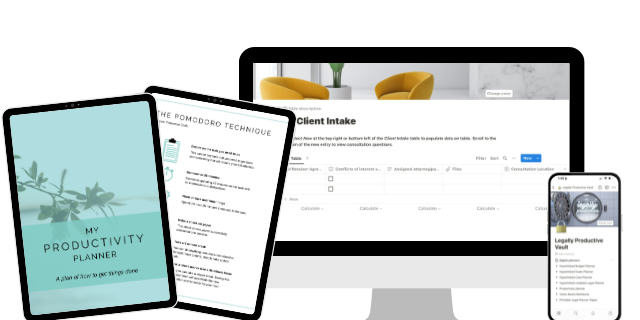
✨ Want a guided journal prompt to reflect on this? I created a downloadable version you can use right away. 👉 Head to the Legally Productive Vault to grab it.
I remember the moment I realized my productivity had crossed a line.
I was sitting at my desk with three devices in front of me—my computer, my tablet, and my phone—juggling all of them at once. A co-worker looked over and asked, “How are you even doing that?” At the time, I was in school and working full-time, trying to squeeze productivity out of every second of the day. I wore my multitasking like a badge of honor.
But what I didn’t see then was the slow slide into burnout that was already happening. It would take me months to recover—physically, mentally, and emotionally.
Toxic productivity is the compulsion to be constantly busy, even at the expense of one’s well-being. Unlike healthy ambition, toxic productivity thrives on guilt, overextension, and a fear of falling behind. In the legal field, where the pressure to perform never seems to let up, this mindset can quietly erode both career satisfaction and mental health.
What Toxic Productivity Looks Like in Legal Work
In law, toxic productivity often hides behind the veneer of dedication. You’re praised for long hours, for saying “yes” to everything, and for being the first to respond—even if it’s at midnight.
Here’s what it may look like in practice:
Overworking for the sake of being “billable”—even when the tasks aren’t urgent or necessary
Feeling guilty for taking breaks, taking PTO, or not being “available” 24/7
Using to-do lists as proof of worth, not as a tool for clarity
Pushing through exhaustion, brain fog, or burnout rather than slowing down
Believing rest is laziness—and tying your identity to constant achievement
The worst part? It can feel normal because it’s so baked into the culture.
Why It’s So Common in the Legal Field
Toxic productivity thrives in high-pressure environments—and law is built on pressure.
The billable hour structure encourages quantity over quality, making time the metric for value.
Clients and supervisors expect instant responses, creating a sense of urgency around everything.
Perfectionism is part of the job description, significantly when outcomes affect people’s lives.
Remote and hybrid work has blurred the lines between home and office, making disconnecting even harder.
Combine these factors, and suddenly, you have an environment where overwork is not just expected—it’s rewarded.
The Real Costs
Toxic productivity might get you through a busy week, but it’s not sustainable long-term. The costs are actual:
Burnout—emotional exhaustion, detachment, and reduced performance
Mental health struggles—anxiety, depression, and chronic stress
Poor decision-making—rushed work, missed details, or procrastination masked as busyness
Physical effects—headaches, fatigue, insomnia, and other stress-related symptoms
Loss of joy—even if you once loved the work, it starts to feel like a burden
Eventually, the qualities that make you successful—drive, ambition, attention to detail—start working against you.
What Healthy Productivity Can Look Like Instead
It’s not about doing less. It’s about doing what matters—without sacrificing yourself in the process.
Here’s what healthy productivity can look like in legal work:
Prioritizing deep work over busy work
Setting the precise start and stop times for your workday
Taking regular breaks—and not feeling guilty about it
Focusing on outcomes, not just hours worked
Allowing for grace and imperfection
One of the most significant shifts? Letting go of the myth that more is always better. Sometimes, less is the key to lasting impact.
Tools and Tips for Legal Professionals
As someone who creates productivity tools for the legal community, I know how hard it can be to find that sweet spot between ambition and burnout. Here are a few tools and shifts to help you reset:
Mindset Shifts
“Done is better than perfect”
“Rest is part of the work”
“I don’t have to earn rest with productivity”
Practical Strategies
Time-blocking for focused work and intentional breaks
Weekly reviews to align your work with your goals
Task triaging: urgent vs. important vs. unnecessary
Log your energy and mood alongside your task list to identify patterns
Pin the template below so you can come back to it ✨
Reclaiming Your Time, Energy, and Identity
You are not your billable hours.
You are not your inbox or your productivity scorecard.
You are a legal professional with valuable skills—and you deserve to work in a way that supports your whole self, not just the working part.
I learned that pushing yourself past your limits doesn’t prove anything—except how easy it is to lose yourself trying to keep up. It took me months to bounce back from that burnout season, and now I approach productivity with more intention, rest, and grace.
Toxic productivity doesn’t have to be your default. By redefining what success looks like and honoring your limits, you can reclaim not only your time—but your joy, peace, and purpose.
Want help getting started?
Download free tools inside the Legally Productive Vault — including a wardrobe planner, client communication log, and productivity templates for legal professionals like you.
Try my distraction-free Pomodoro Timer to help you stay focused without burning out.
These aren’t just tools. They’re reminders that your well-being matters just as much as your workflow.
If you’ve ever sat down to start a project only to find yourself scrolling through emails, organizing your desk, or suddenly remembering a significant snack break—you’re not alone.
Procrastination isn’t just a bad habit; it’s a psychological response. For legal professionals who must manage tight deadlines, complex cases, and client expectations, procrastination can be a silent productivity killer.
But why do we do it? And more importantly, how can we stop? Let’s dive into the science behind procrastination—and practical ways to beat it.
Why Legal Professionals Procrastinate (It’s Not Laziness!)
Despite what we’ve been told, procrastination isn’t about being lazy. Lawyers, paralegals, and legal professionals are some of the hardest-working people in the world.
So why does procrastination happen?
1️⃣ Fear of Imperfection
Legal work requires precision. Whether drafting contracts, filing motions, or preparing for trial, there’s pressure to get everything right. This pressure leads to perfectionism, where the fear of making mistakes can cause us to avoid starting altogether.
💡 Example: A paralegal working on a complex discovery response might delay drafting because they don’t have all the details perfectly outlined yet. Instead, they should start with a rough draft and refine it later.
2️⃣ Decision Paralysis
Legal professionals make hundreds of decisions daily—which cases to prioritize, how to approach a client’s needs, and when to schedule a filing. With so many choices, the brain can freeze up and avoid decision-making altogether.
💡 Example: A solo attorney struggling to prioritize client matters might jump between tasks without finishing anything. Instead, they can use a priority matrix (e.g., urgent vs. important) to determine what needs immediate attention.
3️⃣ Adrenaline Addiction
Have you ever waited until the last moment to complete a brief or prepare for a hearing—only to pull it off flawlessly? Many legal professionals thrive under pressure and adrenaline, reinforcing the cycle of procrastination.
💡 Example: A litigation attorney consistently prepares trial binders the night before court because they “work better under pressure.” While this might work occasionally, it leads to avoidable stress and potential mistakes.
4️⃣ Mental Overload & Fatigue
When your to-do list is never-ending, it’s easy to feel overwhelmed. Instead of tackling the most pressing task, the brain opts for easier distractions—like responding to non-urgent emails or tweaking a template a little more.
💡 Example: A legal assistant might spend hours formatting a document instead of tackling client intake forms with challenging deadlines. The brain seeks low-effort tasks to avoid feeling overwhelmed.
How Procrastination Hurts Your Legal Career
While last-minute miracles can happen, chronic procrastination comes at a cost:
❌ Missed Details & Errors – Rushed work increases the risk of oversight. ❌ Increased Stress & Burnout – Last-minute scrambles take a mental toll. ❌ Lost Billable Hours – Poor time tracking leads to revenue loss. ❌ A Guilt Cycle – Avoiding tasks creates stress, which leads to more avoidance.
So, how do we break the cycle?
5 Science-Backed Strategies to Beat Procrastination
📌 Try these simple, research-backed tactics to regain control of your workload:
1️⃣ The 5-Minute Rule
🔹 If a task feels overwhelming, commit to working on it for just 5 minutes. 🔹 Once you start, your brain is more likely to keep going.
💡 Example: A lawyer struggling to start drafting a demand letter should commit to writing just the first sentence. Often, the hardest part is getting started.
💡 Example: A paralegal dreading organizing exhibits for trial should commit to sorting just one folder. Once they start, they’ll likely keep going.
2️⃣ Reframe the Task
🔹 Instead of thinking, “I have to do this,” try, “I choose to do this.” 🔹 This subtle mindset shift reduces resistance and increases motivation.
💡 Example: Instead of dreading reviewing case law, a legal professional can reframe it as gaining an edge in court by strengthening their argument.
💡 Example: Instead of “I have to respond to discovery requests,” think “I’m ensuring my client is prepared for trial.”
3️⃣ Break It Down
🔹 Large tasks can feel overwhelming, so chunk them into smaller steps. 🔹 Set mini-deadlines to track progress without feeling pressured.
💡 Example: Instead of “Draft motion for summary judgment,” break it into:
✅ Research case law ✅ Write introduction ✅ Draft arguments ✅ Edit and finalize
💡 Example: Instead of “Prep for deposition,” break it into:
🔹 Set aside dedicated blocks of time for deep work. 🔹 Use the Pomodoro technique—work for 25-50 minutes, then take a short break. Try our Pomodoro timer.
💡 Example: A paralegal struggling with document review can time-block one hour with a built-in 10-minute break.
💡 Example: A legal assistant drowning in email responses can set a 30-minute email sprint and then move on to more pressing tasks.
5️⃣ Use the Right Tools
🔹 A structured workflow helps prevent procrastination. 🔹 Digital planners, legal case trackers, and productivity templates keep deadlines visible.
💡 Example: A legal professional can use a digital planner or Notion template to automate reminders instead of mentally tracking court deadlines.
💡 Example: A law firm struggling with client communications can implement an automated follow-up system to streamline responses.
💡 Need an all-in-one system to keep your legal projects organized? Check out our digital planner designed for legal professionals!
Final Thoughts
Procrastination isn’t about laziness but how our brains process tasks, fear, and pressure. Legal professionals can take control of their time and workload by understanding the psychological triggers behind procrastination.
✅ Start small. ✅ Reframe your mindset. ✅ Use structured systems.
Most importantly, give yourself grace—even the best attorneys, paralegals, and legal professionals struggle with procrastination. The key is to recognize it, reset it, and move forward.
🚀 Need help staying organized? Our digital planner for legal professionals can help you stay on top of your projects and deadlines—without the last-minute panic.
Legal Assistant and Office Manager; Attorney Los Angeles, CA
Four Page Letter is supported by its followers. When you click links on this page Four Page Letter may get a commission at no cost to you. We only promote products that we already use or are interested in using.
Lorna Taylor is a central character in The Lincoln Lawyer series, serving as the legal assistant and office manager for attorney Mickey Haller. Lorna is known for her sharp mind and vibrant personality, and her style reflects her dynamic role within the legal world of Los Angeles. In Season 3, her wardrobe evolves as she steps into the courtroom as a newly minted defense attorney. When Lorna embraces the power suit while retaining her unique flair, her fashion choices stand out amid the conventional attire typically seen in legal settings, showcasing her originality and confidence.
Character Overview
Lorna is an indispensable member of Mickey Haller’s legal team and brings a personal touch to the office environment. Her keen attention to detail, organizational skills, and rich understanding of the law make her a valuable asset. Initially, Lorna’s style included bold statement pieces like leather pants, bright jackets, beaded tops, neon purses, and sky-high stilettos—reflecting her fearless approach to fashion and life.
As she transitions into her role as a defense attorney in Season 3, Lorna’s wardrobe shifts to incorporate more professional attire, notably power suits with a modern twist. Inspired by both 1990s women’s suits and contemporary workwear, her outfits feature sharp shoulders and crisp collars, embodying the essence of the traditional power suit. However, she infuses these pieces with her style, opting for vibrant colors, unique patterns, and unexpected details that make her stand out.
Lorna’s ability to take fashion risks increases as her professional and personal life becomes more stable, showcasing her growth and confidence. For instance, on her first official day as an attorney, she dons a custom three-piece suit paired with a vintage trench coat and statement accessories, creating a chic and impactful look. Her ensembles are thoughtfully layered, allowing versatility throughout her intense workdays.
Her fashion choices reflect her one-of-a-kind character—original, fearless, and unapologetically herself. Lorna’s style keeps others curious about what she’ll do professionally and sartorially next. By blending professional attire with her unique flair, she disrupts the conventional norms of legal fashion in all the best ways.
Style summary
Lorna’s wardrobe is bold, modern, and unapologetically unique, blending professionalism with her signature flair. As she transitions from legal assistant to defense attorney, her style embraces power suits while retaining the vibrant, statement-making elements that define her. She incorporates sharp-shouldered blazers, fitted trousers, and structured dresses but keeps things distinctly Lorna with bright colors, eye-catching accessories, and unexpected patterns.
Her style starkly contrasts the subdued tones of her legal colleagues, making her a visual standout in the courtroom and office. Instead of blending in, Lorna embraces fearless fashion choices, including custom suits, sleek trench coats, playful prints, and sky-high heels. Every piece she wears is intentional, reflecting her confidence, intelligence, and ability to command attention in any room.
This balance between polished professionalism and personal expression defines Lorna’s style. Whether wearing a tailored power suit with a twist or accessorizing with statement jewelry and bold footwear, her wardrobe mirrors her growth, ambition, and unshakable sense of self.
Fashion Inspiration and Tips
To incorporate Lorna’s fearless yet polished style into your wardrobe, focus on pieces that balance professionalism with personality:
Embrace the Power Suite but Make It Your Own
Opt for sharp-shouldered blazers and fitted trousers for a commanding presence.
Choose unexpected colors or prints to bring energy to traditional suiting.
Experiment with three-piece suits or tailored separates for a modern take on courtroom-ready fashion.
Go Bold with Colors and Patterns
Swap neutral tones for rich, vibrant hues like teal, fuchsia, or deep green.
Mix textured fabrics and subtle patterns to add dimension to your outfits.
Don’t be afraid to stand out. Lorna’s style is all about confidence!
Master the Art of Statement Accessories
Elevate classic looks with bold jewelry, structured handbags, or designer-inspired heels.
Consider unexpected details, like custom cufflinks or a standout trench coat.
Use accessories to reflect your personality, whether through unique prints, textures, or unique finds.
Balance Structure with Feminine Details
Incorporate sleek dresses with crisp collars or sharp tailoring to blend power with polish.
Experiment with layering, using trench coats, fitted blazers, or belted suits to create versatile, high-impact looks.
Confidence is Key
Own your style the way Lorna does: fearlessly and unapologetically.
Choose pieces that make you feel empowered, whether a bold suit, a sleek dress, or sky-high heels.
Most notably, wear what makes you feel like the most powerful version of yourself.
Shop Lorna’s Look
Click the image below to find Lorna style pieces.
Lorna’s style is bold, fearless, and unapologetically unique—just like her. From vibrant power suits to statement accessories, she proves that professional fashion doesn’t have to be boring. Want to refine your work wardrobe? Sign up for the Legally Productive Vault to grab a free Notion Wardrobe Planner and start curating a style that is both polished and you!
DefenseAttorney and Law Professor, Philadelphia, PA
Four Page Letter is supported by its followers. When you click links on this page Four Page Letter may get a commission at no cost to you. We only promote products that we already use or are interested in using.
Annalise Keating, portrayed by Viola Davis in “How to Get Away with Murder,” is a formidable defense attorney and law professor based in Philadelphia. Reflecting on her role, Viola Davis remarked, “I want every woman out there to feel represented. I feel that Annalise represented womanhood.” This sentiment underscores why we call Annalise the Queen of Blazers—she took a traditionally masculine piece of fashion and made it her signature style.
Annalise is Known for her sharp intellect and commanding presence, and her wardrobe reflects her authority and complexity. Her attire combines sophistication and strength, showcasing a powerful image that aligns with her professional and personal journey.
Character Overview
Annalise is a highly skilled lawyer who often takes on challenging cases, navigating moral ambiguities to protect her clients. Her character is layered, revealing vulnerabilities beneath a tough exterior. She faces numerous personal and professional obstacles, and her resilience is a central theme of the series. Annalise’s attire mirrors her multifaceted persona, combining elements that convey confidence, depth, and an unwavering commitment to her work.
Style Summary
Annalise Keating’s wardrobe combines sophistication and authority, featuring tailored pants, elegant blouses, distinctive blazers, coats, and sleeveless professional dresses in rich colors like green, blue, and gray. Her style is characterized by bold patterns and dark tones, with blazers and blouses showcasing striking florals, plaids, and abstract prints balanced by solid-colored pants. Favoring structured silhouettes, she blends traditionally masculine elements with feminine touches through patterns, colors, and accessories, achieving a look that is both timeless and current. Her consistently formal and polished attire is enhanced by statement accessories such as bold jewelry, belts, and scarves that make an impact without overwhelming her ensemble. By skillfully mixing dark neutrals with vibrant colors and incorporating monochromatic pieces with color blocking, she creates powerful and sophisticated looks that reflect her complex character.
Wardrobe Elements
Blazers and Jackets
Annalise’s signature style revolves around her collection of blazers and jackets, which she skillfully uses to convey confidence and professionalism.
Floral Jacquard Blazer: Combines a classic silhouette with a bold floral pattern, adding visual interest and a touch of femininity to her outfit.
Gray Plaid Blazer: A timeless piece featuring a traditional plaid pattern, perfect for projecting a sophisticated and authoritative image.
Black Stripe Blazer: Incorporates subtle stripes for a sleek and modern look, enhancing her professional attire.
Metallic Blazer: Adds a contemporary edge with metallic accents, showcasing her willingness to embrace unique styles while maintaining a polished appearance.
Black Leopard Trim Blazer: Features leopard trim details, introducing a hint of boldness and personality to her ensemble.
Pink Two-Tone Blazer: Combines shades of pink in a two-tone design, offering a softer yet professional look.
Navy Printed/Patterned Blazer: Utilizes patterns in navy tones, adding depth and sophistication to her wardrobe.
Blue/Black Two-Toned Blazer: Blends blue and black hues in a two-tone design, creating a dynamic and visually appealing piece.
Coats
Annalise often completes her outfits with statement coats that provide warmth and serve as a focal point.
Black Floral Embroidered Coat: Features intricate floral embroidery, adding elegance and texture to her outerwear.
Two-Tone Coat: Combines contrasting colors for a striking effect, demonstrating her bold fashion choices.
Green Coat: A vibrant green coat that brings color to her wardrobe, reflecting confidence and individuality.
Red Leather Double-Breasted Coat: A bold red leather coat with a double-breasted design, exuding power and a strong fashion statement.
Blouses
Her selection of blouses complements her blazers and coats, often featuring patterns and luxurious fabrics.
Black Floral Blouse: Combines a classic black base with floral patterns, adding femininity to her professional attire.
Black Chain Print Blouse: Features a chain print design, introducing a modern and edgy element to her look.
Multicolored Feather Print Blouse: Incorporates vibrant feather prints, showcasing her willingness to embrace bold patterns.
Pants
Annalise pairs her blazers and blouses with tailored pants, completing her sophisticated ensembles.
Tailored Trousers: Prefers well-fitted pants in neutral colors like black, navy, and gray, maintaining a professional and sleek silhouette.
Dresses
Annalise incorporates sleeveless, professional dresses into her wardrobe, showcasing her confidence and elegance.
Sleeveless Sheath Dresses
She often wears sheath dresses that are sleeveless yet maintain a professional appearance. These dresses feature clean lines and tailored fits, highlighting her sophisticated style.
Color Choices
Her dresses are typically in rich, deep colors such as forest green, navy blue, charcoal gray, and occasionally black. These colors align with her preference for dark tones and add depth to her ensembles.
Fabric and Fit
The dresses are crafted from high-quality fabrics like wool blends, crepe, and silk, providing structure and a flattering drape. The impeccable tailoring ensures a polished look suitable for her professional environment.
Blazers and Jackets
Annalise sometimes layers her sleeveless dresses with blazers or coats, adding structure and formality to her look. This combination enhances her authoritative presence while allowing versatility in her wardrobe.
Statement Jewelry: She wears bold necklaces, earrings, and bracelets to enhance her outfits without overpowering them.
Belts: Uses belts to define her waist and structure her blazers and coats.
Scarves: Occasionally adds scarves for extra warmth and style, introducing additional patterns or colors.
Footwear
Heeled Pumps and Boots: Chooses classic dark-colored heels and boots to complement her outfits and add height.
Ankle Boots: She wears ankle boots for a modern touch, which aligns with her edgy yet professional aesthetic.
Color Palette and Patterns
Annalise’s wardrobe features a rich, diverse color palette, embracing dark tones and vibrant hues.
Dark Neutrals: Utilize blacks, grays, and navies as foundational colors, projecting professionalism and authority.
Rich Colors: Incorporates deep reds, greens, and blues through her coats and blazers, adding depth and interest to her ensembles.
Bold Patterns: Embraces florals, plaids, and prints in her blazers and blouses, showcasing her confidence and unique style.
Style Interpretation
Annalise Keating’s style embodies power and sophistication, reflecting her commanding presence in the legal arena. She creates ensembles that exude confidence and professionalism by choosing tailored pants and elegant blouses and incorporating sleeveless, professional dresses. Her use of luxurious fabrics and rich colors adds depth and personality to her attire, showcasing a balance between authority and individual expression. Including sleeveless dresses introduces a feminine touch while maintaining the structured and polished look that defines her style.
Fashion Inspiration and Tips
To bring elements of Annalise’s style into your wardrobe:
Invest in Well-Fitted Pants and Statement Blazers or Coats
Choose tailored pants that elevate your professional look.
Opt for blazers and coats with bold patterns or unique designs to make a strong impression.
Select Blouses with Unique Patterns or Luxurious Fabrics
Incorporate blouses featuring striking florals, plaids, or abstract prints.
Choose high-quality fabrics to add visual interest and sophistication.
Embrace Dark Neutrals and Rich Colors in Your Outerwear
Build your wardrobe around dark neutrals like black, navy, and charcoal gray.
Introduce rich colors such as deep reds and greens for added impact.
Don’t hesitate to incorporate bold patterns in your outerwear.
Incorporate Sleeveless Dresses
Invest in well-tailored, sleeveless sheath dresses that maintain a professional appearance.
Opt for rich colors like deep green, navy blue, or charcoal gray to reflect Annalise’s sophisticated taste.
Layer When Appropriate
Layer your sleeveless dresses with a structured blazer or coat for versatility and formality.
This allows you to adapt your outfit to different professional settings, just as Annalise does.
Complete Your Outfits with Understated Accessories and Classic Footwear
Choose accessories like bold jewelry, belts, and scarves that enhance your ensemble without overwhelming it.
Opt for classic footwear such as pumps or ankle boots to ensure a polished and confident appearance.
Align your accessories with your style and professional environment for a cohesive look.
Embracing Annalise Keating’s distinctive fashion can bring confidence and elegance to your professional attire. To assist you in incorporating these insights into your wardrobe, we’re offering a free Notion Wardrobe Planner from our Free Legally Productive Vault. This planner will help you organize your outfits and refine your style. Download it today and start building a wardrobe that reflects your unique professional identity.
Four Page Letter is supported by its followers. When you click links on this page Four Page Letter may get a commission at no cost to you. We only promote products that we already use or are interested in using.
Sarah Rafferty portrays Donna Paulsen as the witty and resourceful executive assistant turned COO in Suits. Her fashion sense is sophisticated and approachable, blending professionalism with flair. Analyzing Donna’s style inspires those seeking to infuse personality into their work attire.
Character Overview
Donna is known for her sharp intellect, exceptional interpersonal skills, and unwavering loyalty. She plays a crucial role in the firm’s operations, often as the glue that holds everything together. She reflects confidence and charisma in her fashion choices, which are stylish yet functional.
Style Summary
Donna Paulsen’s wardrobe is a testament to feminine sophistication and confident professionalism. She almost exclusively wears dresses, many featuring high necklines that add elegance and modesty to her ensembles. Donna’s style features figure-flattering silhouettes, rich colors, and distinctive design details. She effortlessly blends classic cuts with modern touches, showcasing a polished appearance reflecting her vibrant personality in the corporate setting.
Wardrobe Elements
Dresses
Donna’s fashion revolves around an array of stylish dresses that highlight her individuality and professionalism. Key elements of her dress choices include:
High-Neck Dresses
High necklines are a signature aspect of Donna’s style, adding a refined touch to her outfits. You can search these dress terms on your preferred brand’s website. Examples include:
Black Bow Neck Dress: Features a high neckline adorned with a bow, adding femininity to a classic silhouette.
Figure-Flattering Silhouettes
Donna selects dresses that tastefully accentuate her figure:
Black Fit and Flare Dress: Emphasizes the waist and flares out gently, creating a balanced and flattering silhouette.
Dark Pink Sheath Dress: A sheath dress that hugs the body, showcasing confidence and elegance.
Unique Sleeves and Details
She often chooses dresses with distinctive sleeve designs or cutouts:
Blue Split Sleeve Dress: The split sleeves offer a modern touch while maintaining a professional appearance.
Navy Cutout Dress: Incorporates subtle cutout details, adding intrigue without compromising sophistication.
Dress Lengths and Shapes
Midi and Knee-Length Dresses: Offer professionalism and are appropriate for the office setting.
Fit and Flare Styles: Balance form-fitting tops with flared skirts for a feminine silhouette.
Sheath Dresses: Provide a sleek, streamlined, modern, and professional look.
Accessories
While dresses are the focal point of her wardrobe, Donna complements her outfits with thoughtful accessories:
Minimalist Jewelry
She opts for simple yet elegant pieces, such as stud earrings or delicate bracelets, that enhance her look without overwhelming it.
Belts
She uses belts to define her waist and add structure to dresses, often selecting styles that match or complement her outfit.
Footwear
She chooses stylish and office-appropriate heels, typically in neutral colors like black or nude, to coordinate with her dresses. Sometimes, she opts for a statement heel like bright red or snakeskin.
Handbags
She carries structured bags in classic colors, adding practicality and polish to her ensembles.
Donna Paulsen creates a distinctive, professional, and expressive style by focusing on these wardrobe elements. Her preference for high-neck dresses with unique details sets her apart, inspiring those looking to infuse elegance and personality into their work attire.
Shop the Look 👇
Transitioning into the next aspect of Donna’s style, let’s examine the colors and patterns that make her wardrobe distinctive.
Color Palette and Patterns
Vibrant Colors
Donna Paulson is known for embracing a bold color palette that mirrors her dynamic personality. She frequently opts for rich, vibrant hues that make a statement in the professional environment. Key colors in her wardrobe include:
Red: Red symbolizes confidence and draws attention in a sophisticated manner.
Deep Blues: Dresses that showcase navy and royal blue shades offer a blend of professionalism and elegance.
Dark Pink and Magenta: These pink shades add a feminine touch while maintaining a polished look.
Neutral Tones
While she often wears bold colors, Donna also incorporates neutral tones to balance her wardrobe:
White: White dresses provide a crisp, clean, timeless, versatile appearance.
Black: Classic pieces in black offer sophistication and can be accessorized in various ways.
Navy: Navy is another neutral and professional base color for classic pieces that mimic Donna’s style.
Minimal Patterns
Donna typically favors solid-colored dresses over patterned ones. This preference allows the focus to remain on the dress’s silhouette and unique details rather than on busy patterns. When patterns are present, they are subtle and understated to maintain a professional aesthetic.
Color Coordination
Donna skillfully coordinates her accessories and footwear with her dresses to create cohesive looks:
Monochromatic Ensembles: She sometimes wears dresses and accessories within the same color family for a streamlined appearance.
Contrasting Accessories: Alternatively, she may choose neutral-tone accessories to complement a vibrant dress, allowing the bold color to stand out.
By selecting a color palette that combines bold hues with classic neutrals and focusing on unique design details, Donna Paulsen creates a striking and appropriate wardrobe for the professional setting. Her approach demonstrates how thoughtful color choices can enhance personal style while maintaining the sophistication required in a corporate environment.
Style Interpretation
Donna Paulsen’s style embodies confidence, elegance, and a vibrant presence in the professional world. By consistently choosing high-neck dresses with figure-flattering silhouettes, she maintains a polished, sophisticated appearance that aligns with her authoritative role. Her bold colors and unique design details, such as flared sleeves and notch necklines, add personal flair without compromising professionalism. This blend of classic tailoring with modern touches reflects her dynamic personality and ability to stand out in a corporate environment.
Fashion Inspiration and Tips
To incorporate Donna’s style into your wardrobe:
Focus on well-tailored dresses featuring high necklines and distinctive details.
Opt for vibrant colors that resonate with you, embracing shades like red, deep blue, or dark pink to make a confident statement.
Prioritize solid-colored pieces to maintain a sleek and professional look, and choose understated accessories to let your outfit shine.
Adapt these ideas to suit your budget and body type, personalizing your choices to reflect your unique style while maintaining a polished appearance suitable for your professional setting.
You can infuse confidence and elegance into your professional wardrobe by embracing Donna Paulsen’s distinctive style. To help you incorporate these fashion insights into your attire, we’re offering a free Notion Wardrobe Planner for download from our Free Legally Productive Vault. We designed this planner to help you organize your outfits and refine your style. You can download it today and build a wardrobe that reflects your unique professional persona.
Four Page Letter is supported by its followers. When you click links on this page Four Page Letter may get a commission at no cost to you. We only promote products that we already use or are interested in using.
Rachel Zane, played by Duchess Meghan Markle, in the television series Suits, embodies a seamless blend of professionalism and elegance. Her wardrobe reflects her career aspirations and personal sophistication as a dedicated paralegal and ambitious law student in New York’s competitive legal scene. Her style has inspired many modern professionals aiming to refine their work attire.
Costume designer Jolie Andreatta shared her excitement about shaping Rachel’s fashion narrative, saying, “Designing Rachel’s look was like being a kid in a candy store.” This enthusiasm shines through in the character’s impeccably styled outfits, which balance classic pieces with contemporary flair.
To appreciate how Rachel’s wardrobe mirrors her professional and personal journey, we’ll first examine her character and role within the series.
Character Overview
Rachel Zane is a paralegal and aspiring attorney working at the prestigious law firm Pearson Hardman in New York City. Despite being the daughter of renowned lawyer Robert Zane, she is determined to forge her path in the legal world based on merit rather than family connections.
Rachel is intelligent, with a strong work ethic and unwavering ambition. Throughout the series, she faces challenges, including overcoming test anxiety to pursue law school and navigating complex workplace dynamics. Her commitment to excellence and personal growth resonates with many young professionals striving to advance their careers.
Her relationships with colleagues, particularly with Mike Ross, add depth to her character, showcasing her empathetic nature and ability to balance personal and professional life. Rachel’s journey reflects the experiences of many women in the legal field who are breaking barriers and redefining success on their terms.
Style Summary
Rachel Zane’s wardrobe is a sophisticated, feminine, polished fashion masterclass. Her overall aesthetic seamlessly blends professionalism with a personal flair, making her style relatable and aspirational for modern legal professionals.
Neutral Hues: Rachel predominantly chooses a color palette of neutral tones, including whites, creams, beiges, grays, and soft pastels. These shades create a timeless foundation for her outfits, allowing versatility and easy coordination. The subtlety of the colors underscores her professionalism while adding a gentle, approachable warmth to her appearance.
Impeccable Tailoring: An essential element of Rachel’s style is her flawless clothing fit. She opts for pieces expertly tailored to her figure, emphasizing clean lines and a streamlined silhouette. This attention to fit conveys a sense of confidence and attention to detail, qualities that are highly valued in her professional environment.
Classic Pieces with Modern Updates: Rachel’s wardrobe is built around classic staples such as pencil skirts, tailored blouses, and sheath dresses. However, she keeps her look current by incorporating modern elements—think subtle ruffles, asymmetrical cuts, or contemporary fabrics. This approach allows her to honor traditional professional attire while expressing her individuality.
Meticulous Color Coordination: Rachel is known for her skillful color coordination. She often creates monochromatic ensembles or pairs complementary colors to achieve a harmonious look. This meticulous attention to detail enhances the sophistication of her outfits and demonstrates her thoughtful approach to personal styling.
By combining these elements, Rachel Zane presents a professional and personally expressive style. Her fashion choices inspire those looking to elevate their work wardrobe with elegance and subtlety. Building upon these key style characteristics, let’s examine the specific wardrobe elements that define Rachel Zane’s iconic look.
Wardrobe Elements
Silhouettes
Tailored Pencil Skirts Rachel frequently chooses high-waisted pencil skirts that accentuate her figure while maintaining a professional appearance. When paired with elegant blouses, these skirts create a sleek and refined silhouette suitable for the corporate environment.
Slim-Fit Dresses She often wears sheath dresses that blend formality with a feminine touch. These dresses emphasize her professionalism and add a graceful elegance to her wardrobe, typically featuring clean lines and a modest length.
Fitted Blouses and Sweaters Rachel’s selection of tops includes silk blouses, fine-knit sweaters, and occasionally modest V-neck shirts. The fit is always impeccable, highlighting her attention to detail and commitment to polished attire.
Fabrics and Textures
Luxurious Materials Her wardrobe features high-quality fabrics like silk, cotton blends, and refined knits. These materials enhance the sophistication of her outfits and provide comfort throughout her busy workdays.
Subtle Textures Rachel incorporates delicate textures like lace accents, ribbed knits, and understated patterns. These elements add visual interest without overwhelming her ensembles, keeping the focus on elegance and professionalism.
Jewelry
Minimalist Pieces She favors simple necklaces, stud earrings, and delicate bracelets. These minimalist accessories complement her outfits without drawing excessive attention, contributing to a cohesive and refined look.
Personal Touches Occasionally, Rachel wears jewelry with sentimental value, adding a subtle layer of personal expression to her attire. These pieces blend seamlessly with her overall style, reflecting her personality.
Belts
Waist-Defining Belts To accentuate her silhouette, Rachel often includes waist-defining belts in her outfits. These accessories enhance the tailored fit of her dresses and skirts, tastefully emphasizing her figure.
Footwear
Classic Pumps Her shoe selection typically features neutral-colored pumps that align with her polished aesthetic. These classic heels are versatile and appropriate for various professional settings.
Pointed-Toe Flats For days when comfort is essential, Rachel opts for pointed-toe flats that maintain a sophisticated appearance. These shoes provide practicality without sacrificing style.
Bags
Structured Handbags She carries medium-sized totes or satchels in neutral tones. These structured handbags are both functional and stylish, completing her outfits with a touch of elegance.
By carefully selecting these wardrobe elements, Rachel Zane creates a stylish and approachable professional image. Her attention to silhouettes, fabrics, and accessories is a valuable guide for anyone looking to elevate their work attire.
Transitioning to the colors and patterns that define Rachel’s style, we find that her choices play a significant role in creating her polished and professional image.
Color Palette and Patterns
Neutral Hues
Neutral tones built the foundation of Rachel Zane’s wardrobe. She predominantly selects whites, creams, beiges, grays, and soft pastels. These colors provide a timeless and versatile base for her outfits, allowing for effortless coordination and a cohesive look. Using neutral hues conveys sophistication and maintains a professional appearance suitable for the legal environment.
Monochromatic Looks
Frequently, Rachel embraces monochromatic ensembles, wearing outfits within the same color family. This approach creates a streamlined and elongated silhouette, adding to her poised demeanor. She adds depth and interest to her outfits without relying on bold contrasts by varying textures and subtle shades within a single color palette.
Minimal Patterns
While favors solid colors, Rachel occasionally incorporates understated patterns into her attire. These might include delicate prints, pinstripes, or subtle lace details. When patterns are present, they are always tasteful and minimal, ensuring her look remains elegant and appropriate for a professional setting.
Rachel Zane’s style strikes a harmonious balance between professionalism and approachable femininity. Her wardrobe choices convey confidence and competence while remaining relatable, featuring polished and inviting outfits. Her careful attention to color coordination and the selection of high-quality fabrics reflect her diligent nature and commitment to excellence in her work.
By updating classic pieces with modern cuts and styling, Rachel showcases an understanding of current fashion trends without compromising timeless appeal. Her ability to blend traditional attire with contemporary elements allows her to maintain a fresh and relevant appearance in a professional setting.
Fashion Inspiration and Tips
Invest in well-tailored, classic pieces in neutral hues to incorporate elements of Rachel Zane’s style into your wardrobe. Prioritize high-quality fabrics like silk and fine knits for a luxurious feel. Pay attention to fit and silhouette to achieve that polished look, and consider adding modern touches to traditional items—such as a blouse with subtle detailing or a skirt with a contemporary cut. Personalize your outfits with minimalist accessories that reflect your style, and adapt these principles to suit your budget and body type for a wardrobe that is both professional and uniquely yours.
Shop the Look
Click the image above to shop a range of pieces picked to help you incorporate Rachel Zane’s sophisticated style into your wardrobe.
An elegant white silk blouse is a staple in Rachel’s attire, offering versatility and a touch of luxury. This piece pairs effortlessly with tailored skirts or trousers, providing a polished look perfect for office or professional events.
A white pencil skirt is another critical element of Rachel’s wardrobe, known for its sleek lines and professional appeal. Pair this versatile skirt with a silk blouse or a fitted sweater to recreate her cohesive ensembles.
Accessorizing with minimalist jewelry adds subtle sophistication without overpowering your outfit. A delicate gold necklace, complements the clean aesthetic of Rachel’s style, adding a graceful finishing touch.
To complete the look, you might also consider classic pumps in neutral tones, which align with Rachel’s choice of footwear, providing both elegance and practicality. A structured handbag in a neutral shade can add functionality and style, mirroring the accessories Rachel often carries.
By embracing Rachel Zane’s timeless style, you can present a polished and confident image in your professional life. To help you refine your wardrobe, we’re offering a free Notion Wardrobe Planner, available for download from our Free Legally Productive Vault. This planner will help you organize your outfits, plan your professional attire, and ensure that your wardrobe reflects your style and career aspirations. Download it today and step confidently into your next professional endeavor.
Four Page Letter is supported by its followers. When you click links on this page Four Page Letter may get a commission at no cost to you. We only promote products that we already use or are interested in using.
Business casual doesn’t have to be boring—master the art of business casual and redefine law firm fashion. Navigating the balance between professionalism and personal style can be tricky, especially in a law office. But with the right wardrobe choices, you can feel comfortable, confident, and polished during internal office days or virtual meetings. This guide will help you strike that perfect balance between style and professionalism in law firm attire, with tips for elevating your look when unexpected client or court-facing events pop up.
Understanding Law Firm Business Casual
Navigating the dress code in a law firm can be a nuanced endeavor. Law firm business casual is about finding a sweet spot between professional formality and personal comfort. Unlike traditional business professional attire—which typically involves tailored suits, conservative ties, and formal shoes—business casual allows for more flexibility while maintaining a polished appearance.
Critical Differences Between Law Firm Attire Styles
I’ve broken the distinctions between these dress codes to make it easier to understand them into categories. Each one serves a different purpose depending on the situation or event you’re dressing for. Below, I’ll put each attire type in an accordion to help you visualize the differences.
Business Formal is the most conservative dress code for high-stakes situations like court appearances or significant client meetings. These events usually require dark suits, crisp dress shirts, and minimal accessories.
Business Professional is slightly less formal but still quite traditional. Think suits or coordinated skirt-and-blazer combinations, with the option for subtle patterns or colors.
Business Casual Offers more freedom in fabric choices, colors, and styles. Acceptable options include dress pants or skirts paired with blouses, knit tops, or sweaters. Blazers are optional, and footwear can range from flats to low heels.
A law office’s dress code might fall into more than one category. Often, it’s a combination that varies based on daily activities or events. For instance, internal meetings might require business casual attire, while client presentations require business professional attire.
What My Time in Different Legal Settings Taught Me About Dress Codes
Having worked in various legal settings in California, I’ve witnessed firsthand how law firm attire can differ dramatically from one place to another.
In some legal offices, the dress code was quite relaxed. Colleagues wore stylish yet comfortable outfits that fit well within law firm business casual. In our atmosphere, one could expect to see tailored pants with chic blouses, and there was room to express personal style through colors and accessories.
Contrastingly, my time working in a courtroom demanded strict adherence to formal business standards. An unspoken rule was that anything less than a full suit was inappropriate. The formality underscored the seriousness of the environment and left little room for personal wardrobe interpretation.
One memorable experience was at a law firm where the dress code wasn’t clearly defined. Assuming a sleeveless blouse would be acceptable on a warm day, I was surprised when a boss passively aggressively asked, “Where are your sleeves?” This encounter highlighted that, even in seemingly casual environments, there are often unwritten expectations about law firm attire.
Interestingly, the court was the only place that provided a defined dress code. In other settings, it was up to us to discern what was appropriate by observing our bosses and colleagues. These experiences taught me the importance of being attentive to workplace culture and norms, especially when the dress code isn’t explicitly stated.
Essential Wardrobe Staples for Law Firm Clothes
Building a versatile and professional wardrobe for law firm business casual means more than sacrificing comfort or style. A well-curated collection of essential pieces can allow you to mix and match for any internal office day while maintaining a polished appearance. Here are some must-haves for creating adaptable law firm clothes that balance professionalism and personal flair.
Tailored Pants/Slacks
A great pair of tailored pants or slacks is the foundation of any business casual wardrobe. Opt for high-quality fabrics that provide structure without being too stiff, and consider lighter shades like gray, beige, or even subtle patterns. These pants offer versatility for various occasions, pairing well with blouses, knit tops, or blazers.
Blouses and knit tops are essential for law office outfits that feel both polished and comfortable. Go for clean, tailored silhouettes; don’t be afraid to introduce color or prints—keep it professional. Light blues, soft pinks, or floral prints can brighten an outfit without looking too casual.
A fitted blazer can instantly elevate any outfit, while a well-made cardigan offers a slightly softer option. Both pieces work as layering options, allowing you to adjust for different levels of formality. Choose neutral tones like navy, tan, or charcoal for blazers, or wear something more playful for your cardigan on an internal office day.
While heels can still make a statement, there’s no need to limit yourself to pumps. Loafers, ballet flats, and low-heeled ankle boots provide comfort and style in equal measure. Ensure your shoes are clean and in good condition—dirty sneakers or overly casual footwear should be avoided.
Accessories are a great way to show off your personality without breaking the boundaries of law firm fashion. Think understated: simple necklaces, small hoops or studs, and classic watches. Avoid anything too flashy or distracting, and let your jewelry complement your outfit rather than steal the show.
A well-fitting dress or skirt can be an easy go-to for law office outfits. Midi-length dresses in comfortable fabrics like cotton are perfect for keeping things professional without feeling overly formal. Pencil or A-line skirts are also great options, especially with a blouse or knit top and a blazer.
While business casual gives you room to personalize your look, there are a few things to avoid. Ripped jeans, dirty sneakers, and too-revealing shirts or dresses are inappropriate in a professional law firm setting. Even when dress codes are relaxed, it’s essential to maintain a level of formality that reflects the importance of your work and environment.
These essential pieces are the building blocks for any professional, comfortable, stylish wardrobe. Mixing and matching items allows you to create a range of looks appropriate for the office while showcasing your style. You’ll always have something to wear when you focus on versatility, even when plans shift unexpectedly.
How to Dress Business Professional Without a Suit
Blazers Paired with Dress Pants or Skirts
A structured blazer can easily elevate any business casual outfit into a more professional look. Pair it with tailored dress pants or a sleek skirt to create a put-together outfit that can easily transition from an internal meeting to a client lunch. Neutral colors like black, navy, or gray are ideal for the office but don’t hesitate to opt for lighter shades or subtle patterns for more personality.
Fitted Dresses with a Blazer or Casual Jacket
A well-fitted dress can be both stylish and professional. Choose knee-length or midi dresses with clean lines and neutral or muted colors to keep the look business-appropriate. Layering a blazer or a structured jacket over the dress instantly takes it up a notch, allowing you to remove the jacket for a more relaxed office vibe and add it back when you need a more formal appearance.
Be Prepared for Unplanned Events
Unexpected meetings, meals, client events, or court appearances can happen anytime. A go-to law office outfit that can be quickly dressed up can be your best friend. A well-fitted blazer, neutral slacks, and professional shoes will prepare you for anything. For more tips on how to prepare for these surprise situations, check out my post on How to Build an Emergency Law Firm Outfit Kit.
Combining these pieces and strategies gives you the flexibility to dress appropriately for internal office days while always being prepared for those last-minute professional situations. You can look like a legal professional with the right wardrobe choices, even without relying on a full suit.
As you balance comfort and professionalism, mastering law firm business casual is all about finding pieces that work for you. Whether you’re building a versatile wardrobe of tailored pants, chic blouses, and blazers or learning how to dress a business professional without a suit, the key is to be prepared for anything that comes your way in the office.
To help you build and refine your dream law firm wardrobe, download the Legally Productive Vault for free. Inside, you’ll find my Notion Wardrobe Planner, designed to make organizing, planning, and perfecting your outfits for every scenario easier. It’s time to feel confident and polished no matter what your workday brings!
Four Page Letter is supported by its followers. When you click links on this page Four Page Letter may get a commission at no cost to you. We only promote products that we already use or are interested in using.
Whether you work entirely from home or have a hybrid schedule, setting up a home office from scratch or finding room for a proper workspace can be challenging. The focus of this blog post is to address and overcome these ergonomic and organizational challenges, ensuring that your home office not only meets your professional needs but also enhances your productivity and well-being. We’ll delve into selecting the right furniture, optimizing your layout, and integrating essential tools, all designed to create a workspace that is as functional as it is comfortable. Let’s explore how you can transform any corner of your home into a powerhouse of legal productivity, even within limited space and resources.
Understanding the Challenges
Navigating the challenges of limited space can significantly influence how you set up your home office, especially when selecting the right equipment. In smaller living arrangements—be it a compact apartment or a shared household—the luxury of a dedicated office room is often not an option. This constraint demands innovative, multifunctional solutions that maximize comfort and efficiency without overwhelming your living space.
For instance, choosing a desk that fits into a tight corner while providing ample surface area for legal documents and technology can be a puzzle. The traditional sprawling office setups, with large desks and multiple filing cabinets, are not feasible in these scenarios. Instead, you might opt for a floating or fold-down desk that serves your needs during work hours but frees up space at other times. Similarly, ergonomic chairs with a smaller footprint, or those that can tuck neatly under the desk, help preserve the room’s usability for other purposes outside work hours.
By selecting furniture and equipment that are space-efficient and ergonomically designed, you ensure that your workspace adapts to your environment rather than clashing with it. This helps maintain a clear boundary between your professional and personal life and keeps you mentally and physically primed for the tasks at hand.
Creating ergonomic workspaces, particularly in home settings, presents several challenges that can significantly impact your comfort and productivity. One of the fundamental aspects of ergonomic design is ensuring that furniture and equipment are adjusted to suit your body’s needs, which can be complex without the proper knowledge or tools. Let’s dive into specific challenges.
1. Proper Chair Height:
One of the first challenges is selecting a chair with the right height. The ideal chair allows your feet to rest flat on the floor while your thighs parallel the ground. This alignment helps prevent strain on your legs and back. However, finding a chair that fits these criteria and fits within the constraints of your existing desk height can take time and effort. Without adjustable chairs or desks, you might adopt poor postures that can lead to discomfort and long-term musculoskeletal issues.
2. Desk Space:
Adequate desk space is crucial for an ergonomic setup. You need enough room to comfortably type and use a mouse while accommodating documents, books, and other essential tools of your trade. Many home office spaces are initially designed with little desk use in mind, leading to cramped conditions that restrict movement and force you to keep essential items out of easy reach. This lack of space affects efficiency and can contribute to clutter, cognitive overload, and stress.
3. Monitor Positioning:
Correct monitor placement is another critical factor in an ergonomic workspace. The top of your monitor should be at or slightly below eye level and about an arm’s length away. This setup helps reduce the risk of eye strain and encourages a healthy, neutral neck position. However, achieving this setup can be challenging, especially with home furniture’s varied designs and sizes. Improvising with books or stands to elevate your monitor might be necessary, but these solutions can sometimes look unsightly or makeshift, disrupting the aesthetic of your workspace.
Overcoming these challenges requires creativity, flexibility, and a willingness to invest in crucial furniture and equipment that support ergonomic principles. By prioritizing ergonomics in your workspace design, you enhance your immediate comfort and protect your long-term health and productivity.
Strategies for Creating an Ergonomic Workspace
Choosing the right furniture is crucial for creating an ergonomic workspace that minimizes physical strain and maximizes comfort. Start with an adjustable chair that supports your lower back and allows you to sit with your feet flat on the floor and knees at a right angle. For desks, opt for models that offer sufficient space and are height-adjustable to align with your seated elbow height. Consider space-saving designs like corner desks or those with built-in storage to keep essentials within easy reach without cluttering your workspace.
Efficient workspace organization can drastically enhance productivity by reducing unnecessary movements and keeping essential tools and documents handy. Use desktop organizers to hold frequently used items like pens, notepads, and legal documents organized and within arm’s reach. Implement filing systems that are easy to access and label clearly to avoid wasting time searching for files. If space allows, add secondary storage like rolling file cabinets or shelves where reference materials can be easily seen and reached. Keeping your desktop clutter-free helps you find things quickly and reduces cognitive distractions, allowing you to focus more on your work.
Technology and Tools
To replicate a high-functioning office environment in your home workspace, incorporating specific ergonomic tools and technology can significantly enhance both comfort and productivity. Here are some highly recommended items that you can find on Amazon to upgrade your home office setup:
1. Ergonomic Keyboard and Mouse
Logitech MK550 Wireless Wave Keyboard and Mouse Combo
This set features an ergonomically designed keyboard with a wave design and a cushioned palm rest, paired with a precision laser mouse, which helps reduce wrist strain.
2. Monitor Stand or Arm
AmazonBasics Single Monitor Stand – Lift Engine Arm Mount
This riser is a simpler, more cost-effective solution that helps elevate your monitor for better viewing ergonomics. It also has a spot to leave your phone sitting straight up so you don’t have to look down at it.
This electric standing desk’s smooth height adjustment feature effortlessly switches between sitting and standing. The spacious desktop provides ample room for essential work tools, promoting better posture and energy levels throughout the day.
Incorporating these tools into your home office will not only help mimic the functionality of a well-equipped corporate office but also ensure that you are health-conscious. Remember to check for compatibility and read user reviews on Amazon to ensure that these products meet your specific needs and preferences.
Lighting and Environment
Optimal lighting is crucial for maintaining focus and reducing eye strain in any workspace. Aim for natural and soft artificial lighting to create a well-lit environment without harsh glares or shadows. Consider using adjustable desk lamps that direct light exactly where you need it. Environmental controls are also vital; maintain a comfortable temperature with fans, heaters, or a programmable thermostat, and consider a white noise machine or noise-canceling headphones to keep distracting sounds at bay, ensuring your workspace promotes concentration and efficiency.
Mental Well-being
The design of your workspace can significantly affect your mental and emotional well-being. Incorporate elements that reduce stress and enhance comfort, such as plants, which can boost mood and air quality, or artwork that inspires you. Ergonomic furniture that reduces physical strain is also crucial, as discomfort can lead to frustration and distraction. Ensure your workspace allows for occasional breaks where you can step away and refresh, essential for long-term productivity and maintaining a healthy work-life balance.
Crafting a home office that meets the dual demands of professional rigor and personal comfort can seem daunting, especially for legal professionals accustomed to the resources of a corporate environment. However, with the right approach to furniture selection, organization, and the incorporation of purposeful technology, you can create a space that enhances productivity and supports your overall well-being. By tackling the ergonomic challenges head-on and thoughtfully addressing each aspect of your workspace, you set the stage for sustained professional success and health. Embrace these changes as an investment in your career and personal health, ensuring that your home office is where professionalism and comfort coexist seamlessly.
Ready to take your home office to the next level? Subscribe to our Free Legally Productive Vault for exclusive access to resources, tips, and tools to supercharge your productivity. Whether adjusting your workspace or refining your work habits, our vault is packed with valuable content to help you thrive in your legal career from the comfort of your home. Join our community today and transform the way you work!
Is your law firm ready for a tech upgrade? See how Caret Legal can make a significant difference. In today’s ever-evolving digital world, the right technology can transform operations, reduce overheads, and enhance client satisfaction. Caret Legal offers a suite of tools designed to optimize the management of legal cases, documents, and communications. This software is tailored for solo attorneys and small to mid-size law firms as it streamlines daily tasks and ensures your legal practice runs as efficiently as possible. Let’s explore some of the critical features of Caret Legal and how they can benefit your firm.
Caret Legal
Caret Legal is a comprehensive legal case management platform designed to streamline operations, enhance productivity, and secure client communications for solo practitioners and small to mid-size law firms.
Centralized Case Management 💡 Feature: Caret Legal offers a unified platform where all case-related information is stored, accessible, and manageable from one central location. ✅ Benefit: This streamlines the workflow, reducing time spent searching for case files and information, which is crucial for solo attorneys and small firms where time and resource efficiency are pivotal.
Automated Document Handling 💡 Feature: The software automates legal document creation, filing, and retrieval. ✅ Benefit: This reduces the administrative burden on legal professionals, allowing them to focus more on case strategy and client interaction, which can significantly improve service quality and client satisfaction.
Task and Calendar Integration 💡 Feature: Caret Legal integrates task management tools and calendar functions that sync with court deadlines and appointment schedules. ✅ Benefit: This feature ensures that solo attorneys and small law firms never miss critical deadlines and can plan their workload effectively, enhancing time management and reducing the risk of professional liability.
Secure Client Communication Portal 💡 Feature: The platform includes a secure portal for client communications, which supports direct messaging and document sharing in a secure environment. ✅ Benefit: This enhances client confidentiality and data security, crucial for gaining client trust and complying with legal standards. It also provides a convenient way for clients to stay informed and engaged with their cases.
Customizable Reporting Tools 💡 Feature: Caret Legal provides customizable reporting tools that allow firms to generate performance reports, financial analytics, and client updates. ✅ Benefit: These tools help law firms track their efficiency, manage financial health, and keep clients updated on case progress, enabling better strategic planning and client relationships.
Caret Legal emerges as a cutting-edge solution designed specifically for the nuanced demands of modern legal practices. Caret Legal significantly streamlines legal practice operations by emphasizing ease of use, comprehensive case management, and robust security features, making it ideal for solo practitioners and small to mid-size law firms. The platform seamlessly integrates case files, document management, and communication tools in one central location, enabling attorneys to reduce the time spent on administrative tasks and focus more on their clients’ needs. Furthermore, Caret Legal’s cloud-based system ensures critical data is secure and accessible, providing peace of mind and flexibility to work from anywhere. With Caret Legal, law firms can expect a boost in productivity, improved client relations, and an overall smoother operation, positioning them for success in a competitive legal landscape.
Weighing the Pros and Cons of Caret Legal:
Pros
Centralized dashboard for case management, enhancing ease of access and organization.
Automated document handling, reducing manual data entry and paperwork.
Seamless integration with other tools and software commonly used in legal practices.
Secure, encrypted client communication portal, ensuring confidentiality and compliance with data protection regulations.
Customizable reporting features allow firms to track performance metrics and financials.
Cloud-based functionality, enabling remote access to the system from any device, anywhere.
Flexible pricing plans that cater to the needs of different sizes and types of law practices.
Cons
Initial setup and customization can be time-consuming, especially for firms with specific needs.
Dependence on internet connectivity, as the cloud-based system can be inaccessible during outages.
Potential learning curve for staff unfamiliar with digital case management systems.
The subscription model may be costly over time compared to one-time purchase software.
Limited integrations with lesser-known third-party applications or very specialized tools.
Caret Legal is more than just software; it’s a transformative tool that can revitalize your legal practice. By offering a robust suite of features that cater specifically to the needs of solo attorneys and small to mid-size law firms, this platform enhances operational efficiency and elevates the level of service you can provide to your clients. Caret Legal delivers a robust and reliable solution to optimize case management, improve client communication, or streamline administrative tasks. Embracing this technology means keeping pace with industry standards and setting new benchmarks for success in the legal field. Consider the strategic benefits and minor limitations of Caret Legal as you decide how best to advance your practice’s capabilities and client service offerings.
Ready to take your legal practice to the next level? Subscribe to our Legally Productive Vault for free and gain exclusive access to a treasure trove of resources designed to boost your productivity and efficiency. Don’t miss out on expert tips, tools, and insights—join our community of forward-thinking legal professionals today.